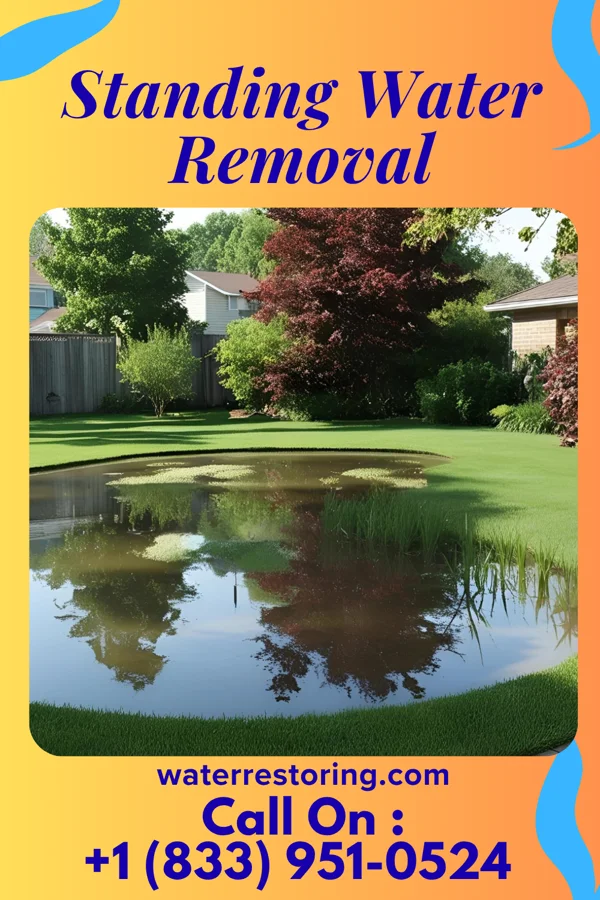
Why University of California-Santa Barbara Sees Standing Water Often
Numbers tell the story in University of California-Santa Barbara: At the University of California-Santa Barbara, water damage often stems from leaking pipes in academic buildings, faulty HVAC systems in research facilities, and unexpected flooding from nearby creeks during heavy rains. These issues are common in older infrastructure and can quickly lead to significant damage if not addressed promptly. drives the majority of emergency restoration calls. A close second is Secondary causes include roof leaks in campus dormitories, condensation in laboratory environments, and water intrusion from improperly sealed windows in historic campus buildings. These issues are exacerbated by the university's coastal climate and frequent weather changes..
Santa Barbara's Mediterranean climate, with dry summers and wet winters, increases the risk of water damage from both sudden storms and prolonged periods of high humidity. Additionally, the proximity to the Pacific Ocean can lead to saltwater intrusion in coastal campus structures.
Santa Barbara's Mediterranean climate, with dry summers and wet winters, increases the risk of water damage from both sudden storms and prolonged periods of high humidity. Additionally, the proximity to the Pacific Ocean can lead to saltwater intrusion in coastal campus structures. The dominant local driver is At the University of California-Santa Barbara, water damage often stems from leaking pipes in academic buildings, faulty HVAC systems in research facilities, and unexpected flooding from nearby creeks during heavy rains. These issues are common in older infrastructure and can quickly lead to significant damage if not addressed promptly., with Secondary causes include roof leaks in campus dormitories, condensation in laboratory environments, and water intrusion from improperly sealed windows in historic campus buildings. These issues are exacerbated by the university's coastal climate and frequent weather changes. a frequent secondary cause. Water damage progresses in stages: spread, absorption, microbial growth, structural compromise — each stage compounds the cost.